
2026 Sustainable Fabric Trends: What Fashion Brands Need to Know
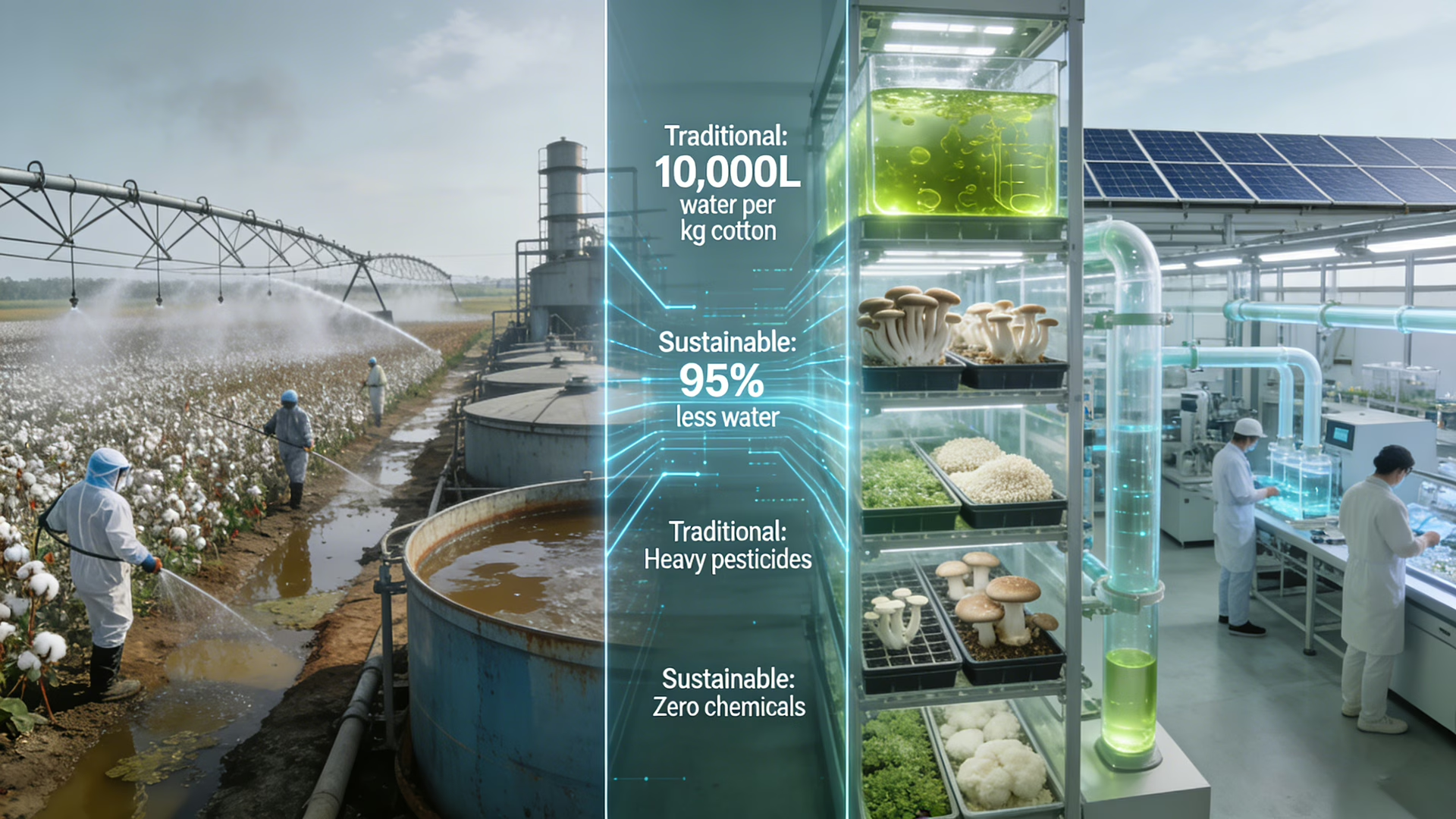
Introduction The textile industry stands at a pivotal moment in 2026, where sustainability is no longer optional—it’s the new baseline. With the sustainable fabrics market
The global textile and fashion industry is experiencing unprecedented transformation. Supply chain disruptions, sustainability mandates, technological innovations, and shifting consumer preferences are reshaping how fabrics are produced, sourced, and used. This section provides the industry intelligence fashion professionals need to navigate this evolving landscape strategically.
The textile market continues to grow, driven by expanding middle-class populations in developing markets and increasing demand for technical and sustainable fabrics. However, this growth occurs against a backdrop of supply chain volatility, rising production costs, and increasing regulatory requirements. We analyze these trends to help brands anticipate market shifts and plan accordingly.
Fabric pricing reflects complex interactions between raw material costs, manufacturing capacity, logistics expenses, and currency fluctuations. Understanding these factors helps brands budget accurately and time their purchases strategically. We provide regular updates on significant price movements in silk, organic cotton, recycled synthetics, and other key fabric categories.
Governments worldwide are implementing regulations that affect textile production and trade. From the EU Strategy for Sustainable and Circular Textiles to various national bans on harmful chemicals, staying compliant requires continuous monitoring of regulatory developments.
Technology is revolutionizing textile production and supply chain management. Innovations worth watching include:
Textile certifications continue to evolve, becoming more rigorous and comprehensive. Understanding these changes helps brands maintain compliance and communicate credibly about sustainability.
Fashion consumer preferences are shifting notably toward sustainability, quality, and transparency. However, price sensitivity remains, creating tension between values and affordability. We analyze consumer research to help brands understand these dynamics and position their products effectively.
Different regions exhibit distinct textile market characteristics. European markets prioritize strict environmental and social standards. North American markets balance sustainability concerns with performance and price. Understanding regional nuances helps brands tailor their sourcing and positioning strategies.
Our industry insights incorporate perspectives from textile specialists, sustainability consultants, fashion economists, and supply chain professionals. This multidisciplinary approach provides comprehensive understanding of complex industry dynamics.
Subscribe to our industry insights newsletter for monthly analysis of significant textile market developments. We distill complex information into actionable intelligence for fashion professionals.
Introduction The textile industry stands at a pivotal moment in 2026, where sustainability is no longer optional—it’s the new baseline. With the sustainable fabrics market
Introduction The textile industry stands at a pivotal moment in 2026, where sustainability is no longer optional—it’s the new baseline. With the sustainable fabrics market
Share your fabric requirements and our team will get back to you within 24 hours.